
Math struggles can leave parents feeling frustrated, children feeling defeated, and the kitchen table looking more like a battlefield than a place of learning. For families homeschooling a child with dyscalculia—a specific learning difference that affects number sense and mathematical reasoning—the challenges can feel even more intense. But there is hope, and there are strategies that can turn those struggles into meaningful progress.
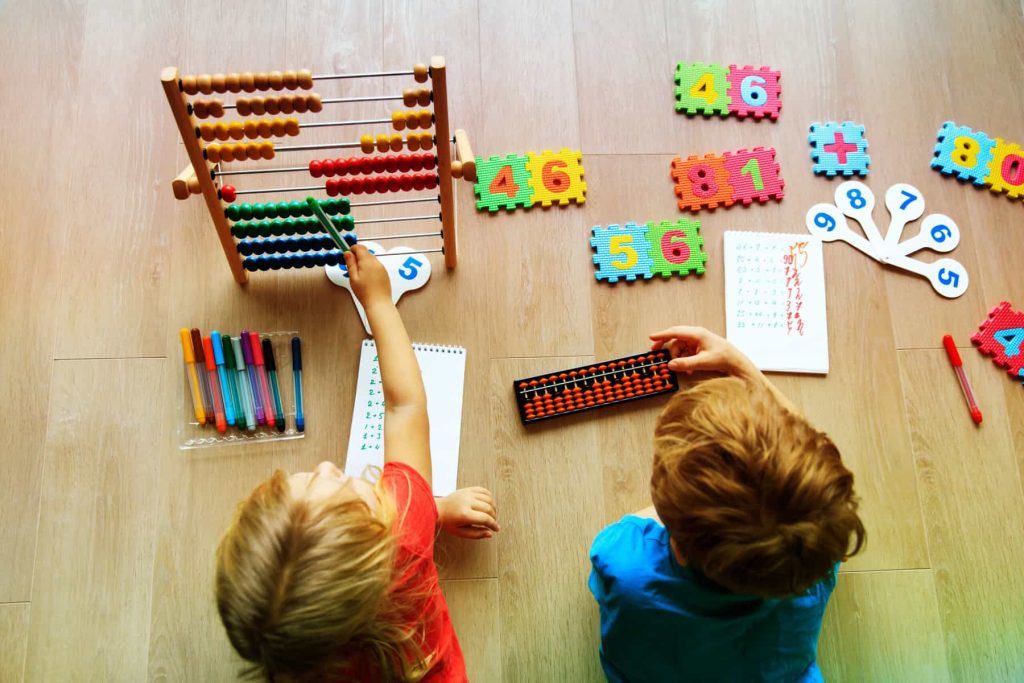
This blog is written for parents who are searching for answers, tools, and support in navigating homeschooling when math doesn’t come easily. Whether your child has a formal dyscalculia diagnosis or you’re noticing persistent difficulties in math, you’ll find guidance here for creating a learning environment that builds confidence, supports growth, and opens the door to success.
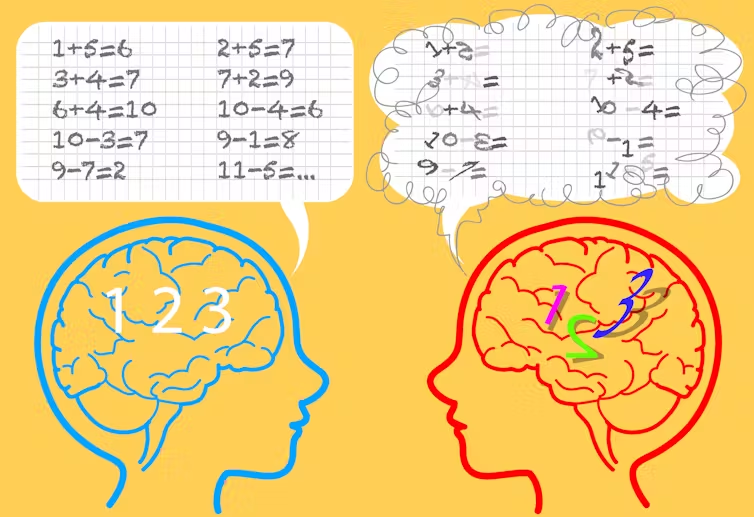
Dyscalculia is sometimes described as “math dyslexia,” though it’s quite different. Children with dyscalculia may have normal or even high intelligence, but their brains process numbers and math concepts differently. Common signs include:
If your child is showing several of these traits consistently, it may be worth discussing with an educational psychologist or specialist. Knowing what’s behind the struggle is the first step toward meaningful support.
Homeschooling a child with math difficulties has both benefits and challenges. On the positive side, you have the flexibility to adjust the pace, use creative teaching methods, and focus on one-on-one support. But many parents find themselves overwhelmed, especially when they feel unequipped to “teach math differently.”
Here are a few common obstacles parents face:
The good news? With the right strategies and resources, homeschooling can become a place where children learn math in a way that finally makes sense.
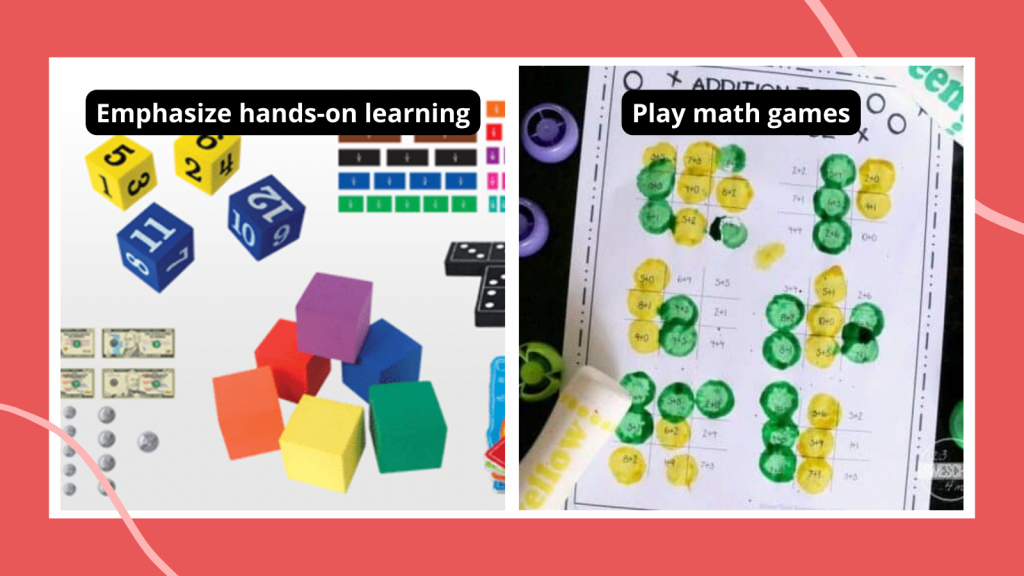
Students with dyscalculia benefit from concrete, tactile activities rather than abstract numbers on a page. Use items like Legos, measuring cups, coins, or number tiles to bring math concepts to life.
Math anxiety decreases when children see math as useful, not just a school subject. Involve your child in everyday math tasks like cooking, shopping, and planning family projects.
Avoid timed tests. Let your child work carefully on one concept until it clicks, even if it takes longer than the curriculum suggests.
Math apps, interactive programs, and talking calculators can provide engaging ways to practice and reduce stress.
Break problems into smaller steps with visual aids.
Reinforce small wins with encouragement, making math feel like less of a threat.
Beyond structured strategies, here are practical hacks and tips parents can use daily:
These hacks can make math practice less overwhelming and more approachable for children who think differently.
As dedicated as homeschooling parents are, it’s important to remember: you don’t have to do this alone. Dyscalculia is a complex learning difference, and children often need specialized instruction to make lasting progress.
Working with a math specialist or enrolling in a program designed for students with learning differences can make all the difference. This is where options like an online school for kids with dyscalculia in NC can bridge the gap. Programs tailored for dyscalculia go beyond worksheets—they incorporate multi-sensory teaching, flexible pacing, and teachers trained in learning differences.

For many homeschooling families, an online program can complement or replace math instruction that feels overwhelming at home. Here’s why:
In North Carolina, families have access to accredited programs like Scholars Academy’s Dyslexia Scholars Academy, which serves K–12 students with dyslexia, dysgraphia, and dyscalculia. Families looking for an online school for kids with dyscalculia in NC can find tailored academic support alongside the flexibility of homeschooling.
You don’t have to choose between homeschooling and formal schooling—it doesn’t have to be “all or nothing.” Many families find success with a hybrid approach, where parents lead instruction in some subjects while professional educators provide specialized support in others.
For example:
This hybrid model keeps the personalization of homeschooling while giving children access to expert instruction in their areas of struggle.
Homeschooling a child with dyscalculia isn’t easy—but it’s deeply rewarding. Remember:
Homeschooling a child who struggles with math can feel overwhelming, but with patience, creativity, and the right support system, your child can succeed. For families in North Carolina, finding an online school for kids with dyscalculia in NC provides the expertise and structure that homeschooling parents may not be able to offer on their own.
Math doesn’t have to be a source of stress and tears. With the right approach, your child can discover confidence, joy in learning, and the skills they need to thrive—not just in math, but in every area of life.
You don’t have to homeschool alone. Connect with Scholars Academy who understand dyscalculia and can help your child succeed in math and beyond.