
Mathematics is often called the universal language, but for students with dyscalculia, it can feel like an entirely foreign one. Dyscalculia is a learning difference that affects the brain’s ability to understand numbers, recognize patterns, and process mathematical concepts. For these students, memorizing multiplication tables or solving multi-step equations can be overwhelming without the right support. That’s where visual aids come in. By transforming abstract numbers into concrete images, patterns, and models, visual tools give dyscalculic students new ways to approach and master math.
In this blog, we’ll explore what dyscalculia is, how visual aids bridge the learning gap, and the specific strategies that make math more accessible for these learners. We’ll also highlight how innovative programs, like our virtual school for kids with dyscalculia in NC, use visual supports to unlock students’ potential.
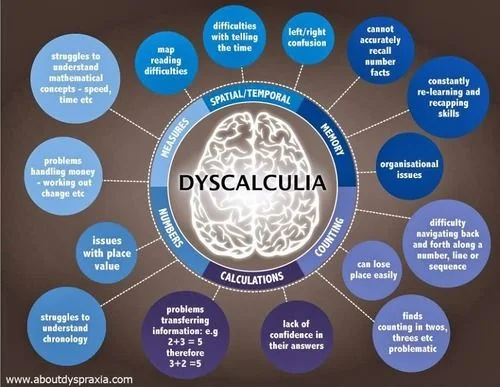
Dyscalculia is sometimes referred to as “math dyslexia,” but it is a distinct learning difference. While dyslexia affects reading and language processing, dyscalculia impacts numerical reasoning and mathematical learning. Students with dyscalculia may:
Traditional math instruction often relies heavily on rote memorization and symbolic problem-solving, which can leave dyscalculic students frustrated and discouraged. To make math meaningful, these students need tools that tap into their strengths—often visual and spatial learning.
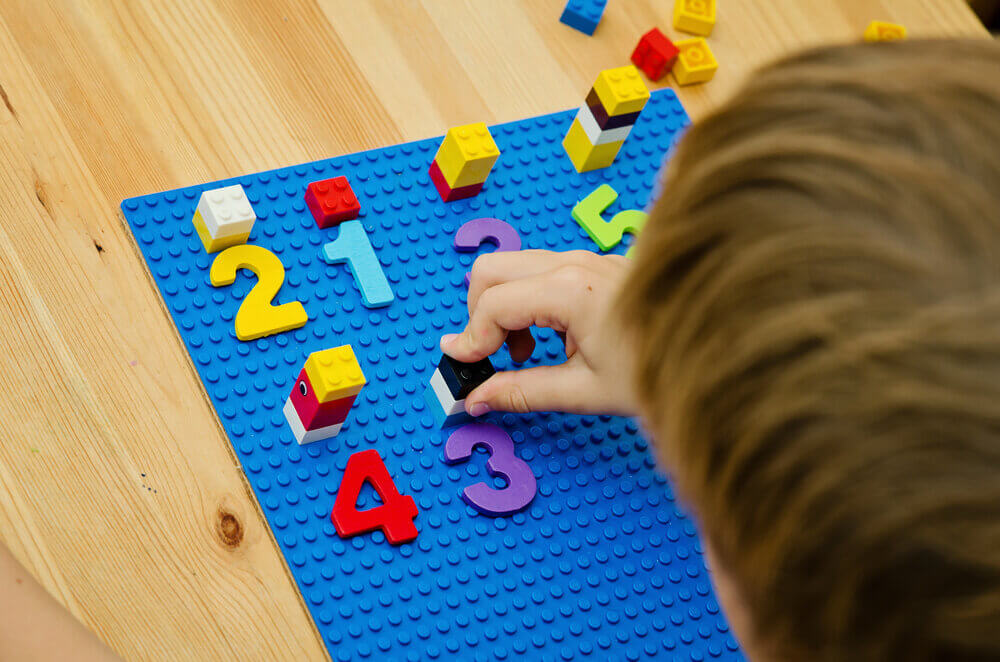
Visual aids make the invisible visible. They take abstract math concepts and represent them in a tangible way, whether through images, manipulatives, or interactive digital tools. For dyscalculic learners, visuals:
By grounding numbers in visual experiences, dyscalculic students gain confidence and can begin to transfer what they see into symbolic understanding.
There is no one-size-fits-all solution, but a variety of visual aids have been shown to make a meaningful difference for students with dyscalculia:
H3: 1. Manipulatives
Objects like counters, blocks, and beads allow students to physically represent numbers. For example, base-ten blocks help students visualize place value, while fraction circles or bars make parts of a whole concrete.
A simple number line can help students understand sequencing, addition, and subtraction. By moving along the line, they can see how numbers increase or decrease.
Bar graphs, pie charts, and pictographs transform abstract data into patterns and pictures. Students can interpret relationships visually instead of relying only on numerical calculation.
Arrays, area models, and diagrams illustrate multiplication and division in ways that words alone cannot. For example, a 3×4 array of dots shows exactly what “3 times 4” means.
Using colors to differentiate place values (ones, tens, hundreds) or to mark steps in a process helps reduce confusion. Visual cues make it easier to organize information.
Technology expands possibilities. Interactive apps let students drag, drop, and rearrange numbers or shapes, which is particularly helpful in a virtual school for kids with dyscalculia in NC where students learn online.
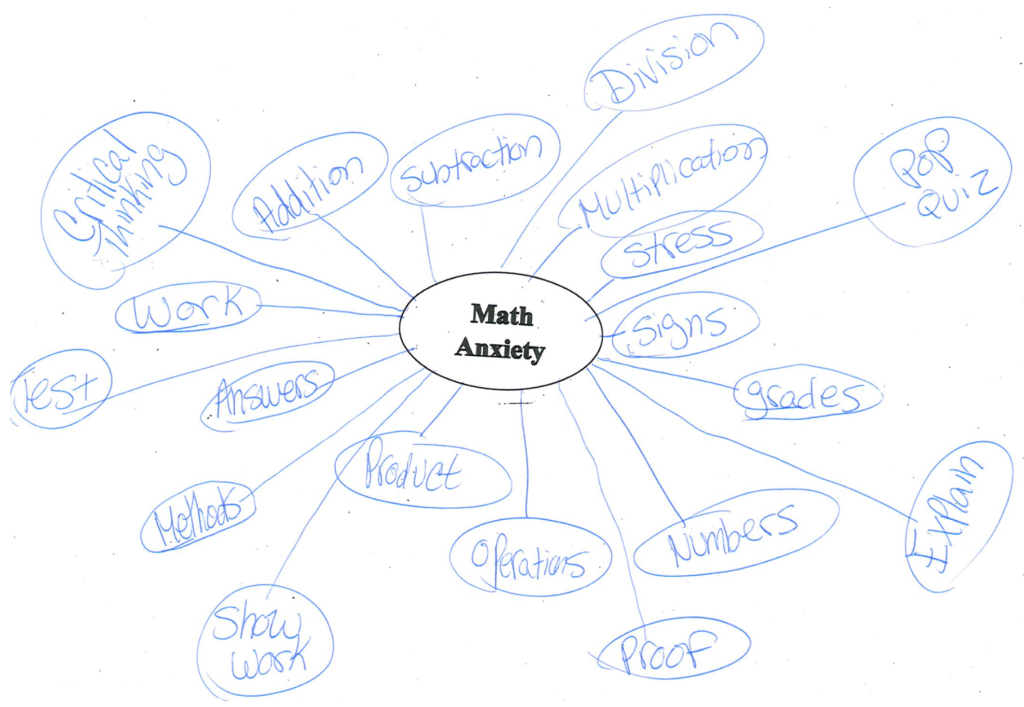
For many dyscalculic students, math is more than a challenge—it’s a source of stress. Math anxiety can cause students to freeze, avoid tasks, or shut down completely. Visual aids help reduce this anxiety in several ways:
The result is a learning environment where students feel safe to experiment, make mistakes, and grow.
Imagine teaching fractions to a dyscalculic student using only symbolic notation: 1/2 + 1/4. For many, that feels impossible. But add a fraction circle, and suddenly the concept clicks. They can see that half a circle plus a quarter of a circle makes three-quarters.
Or take multiplication. Instead of memorizing 7 x 6, a student might use an array of dots—seven rows of six dots each. Counting the dots gives them a concrete understanding of the product.
Even algebra can benefit. When solving equations, drawing balance scales to show equality gives students a picture of why operations on one side must be done on the other.
These examples show how visuals transform frustration into understanding.
In today’s digital world, virtual education is uniquely positioned to support learners with dyscalculia. At our virtual school for kids with dyscalculia in NC, we incorporate visual aids directly into online lessons, ensuring students get the support they need no matter where they are.
Because classes are taught in small groups, students receive individualized attention while also benefiting from peer collaboration.
Parents play a crucial role in reinforcing what students learn in school. Here are some ways families can use visual aids at home:
These strategies extend learning beyond the classroom, making math part of everyday life.
Dyscalculia doesn’t mean a student can’t succeed in math. With the right support, especially visual aids—students can develop the understanding and confidence they need to thrive. Instead of dreading math, they can approach it as a puzzle they are equipped to solve.
For schools and families, the key is to embrace tools that align with how dyscalculic learners process information. Whether through hands-on manipulatives, number lines, or interactive virtual lessons, visuals unlock doors that numbers alone often keep closed.
Visual aids are not just accessories to math instruction; for dyscalculic students, they are lifelines. They transform abstract, intimidating concepts into concrete, approachable ones. In classrooms and in virtual spaces, these tools empower students to build number sense, reduce anxiety, and discover joy in problem-solving.
If you’re a parent seeking support for your child, know that programs like our virtual school for kids with dyscalculia in NC are designed to combine expert instruction with innovative visual learning strategies. Together, we can ensure that every child—not just those who learn math the “traditional” way—has the chance to succeed.