
When a child struggles with learning differences such as dyscalculia and dysgraphia, it can feel overwhelming for families to find the right school environment. Traditional classrooms often don’t have the flexibility or resources to give these students the individualized attention they need. At Scholars Academy, we specialize in meeting the needs of twice-exceptional learners—students who are bright and capable but who also face challenges in specific academic areas.

In this blog, we’ll walk through how Scholars Academy supports students with dyscalculia and dysgraphia, explain what makes our approach unique, and show why families searching for an online school for kids with dyscalculia in NC often turn to our programs.
Before diving into support strategies, it’s important to understand what these two learning differences involve.
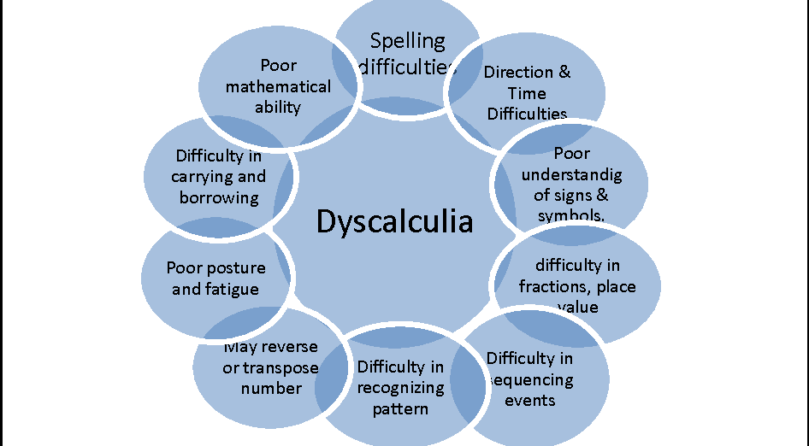
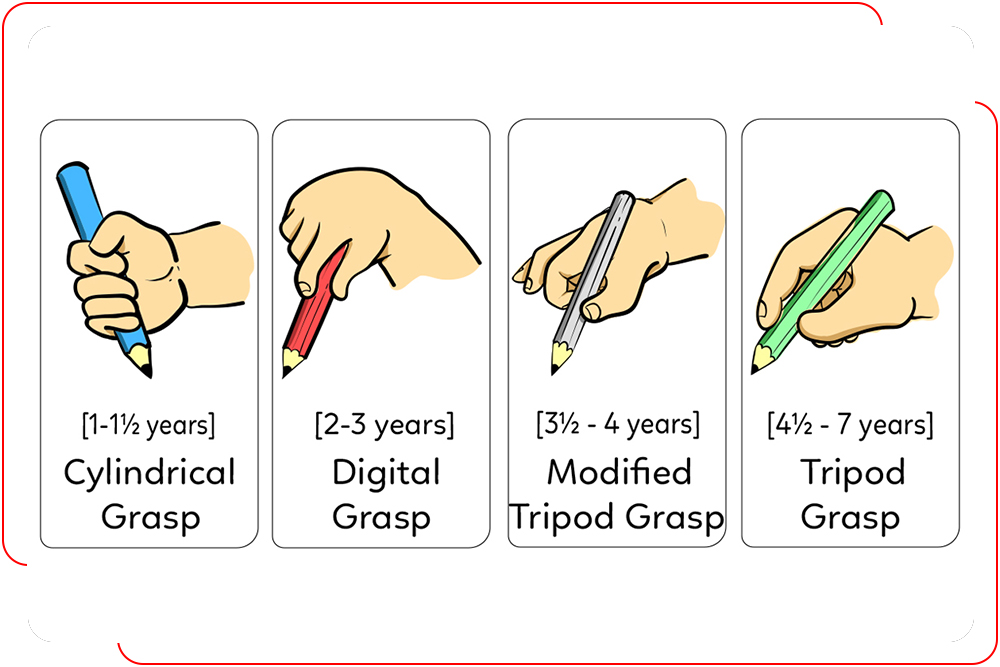
Both conditions can exist independently, but it is not uncommon for students to experience them together. When that happens, traditional classrooms—often focused on standardized pacing and one-size-fits-all instruction—leave these students behind. That’s where a specialized approach makes all the difference.
At Scholars Academy, we believe that students are more than their test scores. Our philosophy is rooted in growth, confidence, and creativity. Instead of simply trying to “catch students up” to grade-level expectations, we focus on helping them develop strategies, build self-advocacy skills, and recognize their own strengths.
This is particularly powerful for students with dyscalculia and dysgraphia. These students often feel discouraged after years of struggling in traditional classrooms. By shifting the focus from grades to personal progress, Scholars Academy helps them rebuild confidence and rediscover a love for learning.
Scholars Academy serves students in grades K–12 through several distinct programs:
This structure allows us to match students with the right setting and support, whether online or in-person. Families looking specifically for an online school for kids with dyscalculia in NC often choose our Dyslexia Scholars Academy because of its tailored instruction and small class sizes.
Math can feel intimidating for students with dyscalculia. Our educators use research-backed strategies to make numbers less abstract and more concrete:
Written expression is another area where Scholars Academy provides specialized support:
For students who experience both dyscalculia and dysgraphia, the challenges can feel doubled. At Scholars Academy, we build individualized strategies that target both areas simultaneously:
This holistic approach prevents students from feeling like they are “failing” in multiple areas. Instead, they see steady progress across the board.
Unlike many online schools, Scholars Academy does not rely on self-guided modules. All of our classes—whether online or in-person—are real-time, instructor-led, and small group.
For students with learning differences, this model is essential. It means:
This level of live interaction sets us apart from typical online schools and is one of the reasons families trust us as an online school for kids with dyscalculia in NC.
We know that parents are an essential part of the journey. Scholars Academy maintains close communication with families, offering regular progress updates and strategies for supporting learning at home. Parents are never left in the dark about their child’s challenges—or their victories.
When students with dyscalculia and dysgraphia find the right support, their world opens up. They begin to see themselves not as kids who “can’t do math or writing,” but as problem-solvers, innovators, and creative thinkers.
Our goal is not just to help students pass tests. It’s to prepare them for lifelong success—whether that means pursuing higher education, entering creative fields, or becoming entrepreneurs.
Students with both dyscalculia and dysgraphia need more than accommodations; they need an environment that sees their strengths, understands their challenges, and supports them every step of the way.
At Scholars Academy, we provide exactly that through personalized instruction, small classes, assistive technology, and a philosophy that values growth over grades. For families seeking an online school for kids with dyscalculia in NC, Scholars Academy offers a proven pathway to success.
If you’re ready to see your child thrive, we invite you to learn more about our programs and discover how we can support your family.
At Scholars Academy, no child’s potential is defined by a learning difference. Contact us today to explore enrollment options.